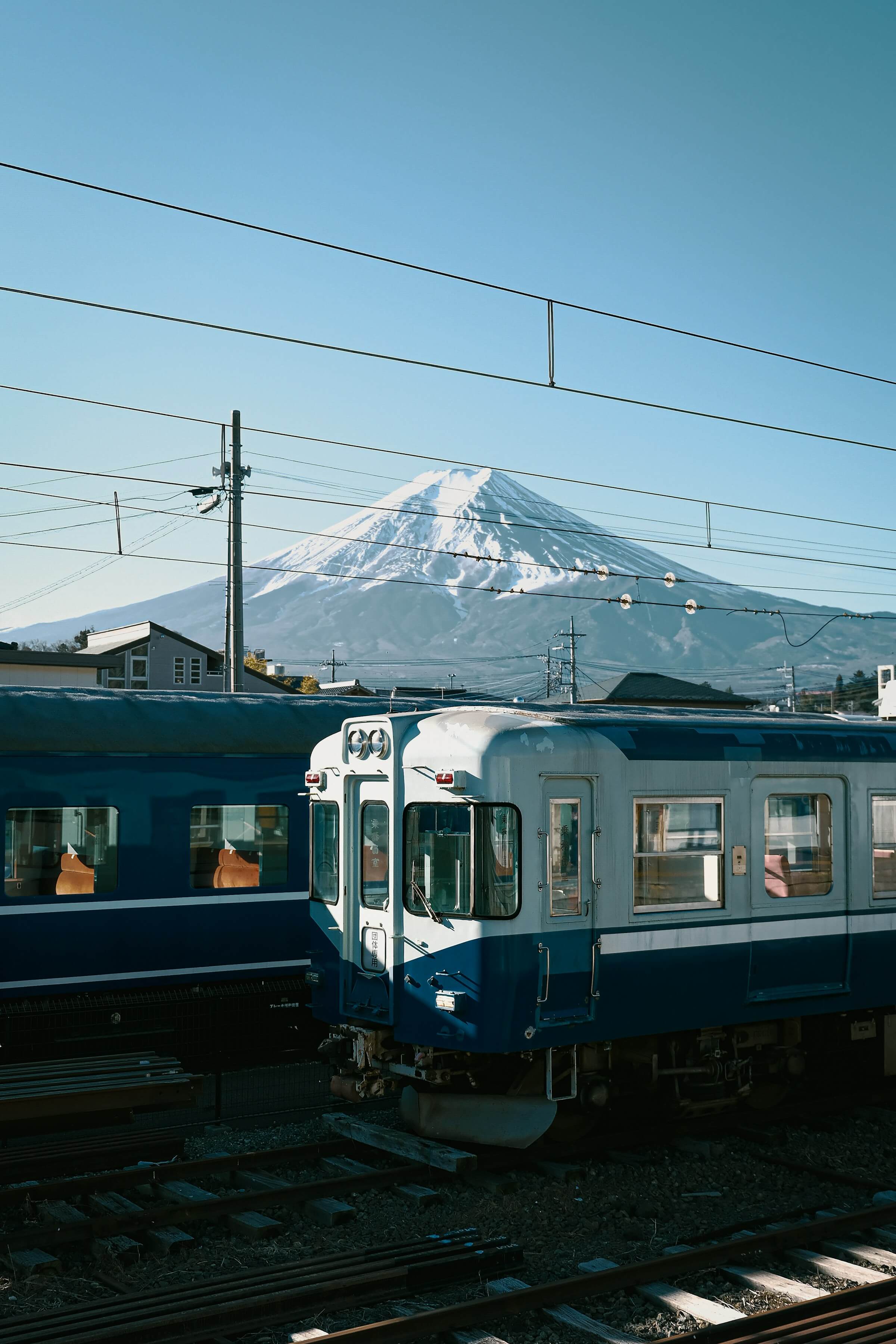
Launching Direct Train Tickets for Travel Between Cities in Japan
Our client is a leading online platform for international travelers planning rail travel in Japan.
The client has long helped tourists access Japan's rail network through rail passes and related travel products. As the market evolved, they saw an opportunity to expand beyond pass-based purchases and offer travelers a more direct way to buy individual train tickets between major Japanese cities.
The result was a new product: direct train tickets for travel between cities in Japan, starting with key routes such as Tokyo, Kyoto, and Osaka.
The challenge
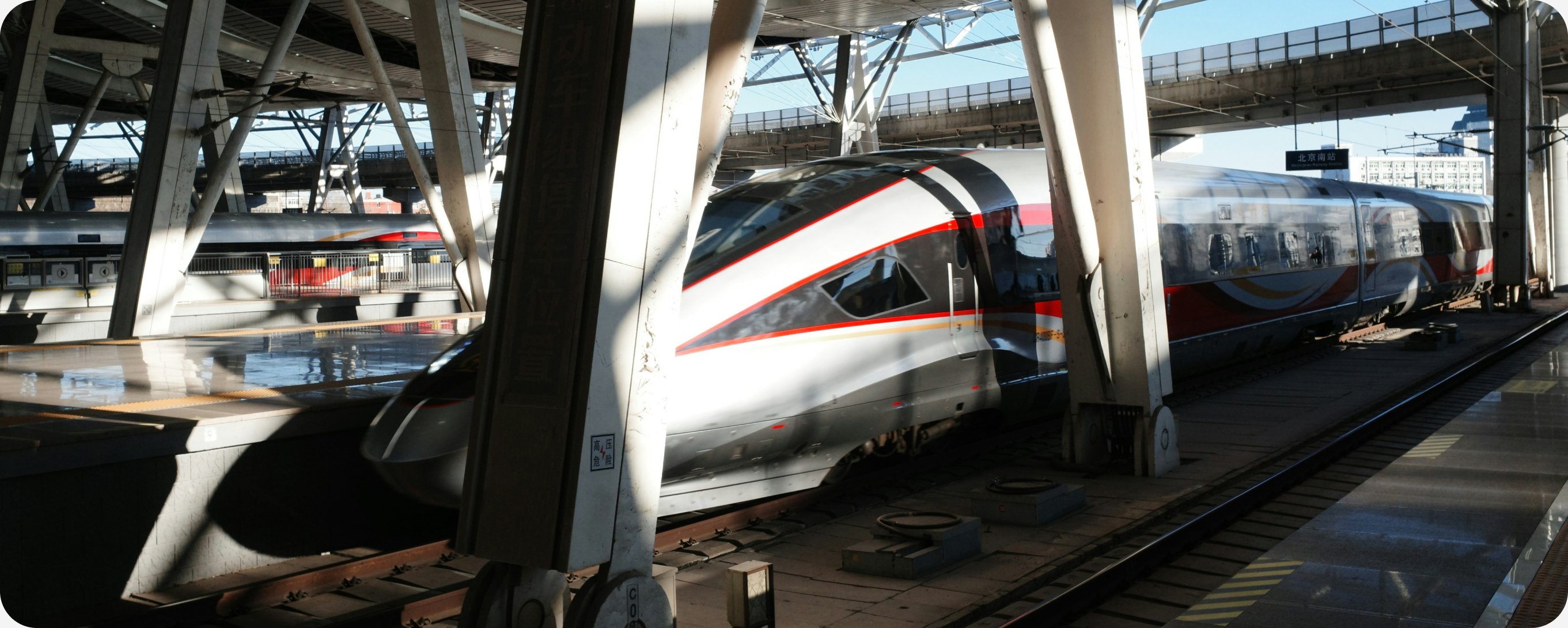
The client wanted to create a new digital ticketing product without disrupting its existing rail pass business.
The project required much more than a new landing page. Direct train tickets needed a complete commerce flow, including route search, ticket details, checkout, customer communication, admin visibility, and fulfillment workflows.
A key architectural challenge was deciding how to introduce this new product without interfering with the main platform. Instead of forcing the new ticketing logic into the existing application, or triggering a larger refactor of the core system, we helped prepare a separate backend structure on a dedicated subdomain. This allowed the team to move faster, keep the main product stable, and avoid an unnecessary technology change or risky rewrite.
Another major challenge was bridging the gap between modern digital commerce and the realities of Japanese rail ticketing infrastructure. Many ticketing processes still rely on older systems, Japanese-language operational interfaces, and workflows that were not originally designed for a fully digital international customer journey. We helped turn this into a faster, more digital fulfillment process by building automation around ticketing links, page reading, value extraction, and internal validation.
The product also had to work within the operational realities of Japanese rail ticketing: timetable data, payment processing, ticket handling, customer expectations, and cooperation with JR Central.
Challenges we tackled included:
- Creating a new product line alongside an existing travel platform
- Supporting direct city-to-city train ticket sales for international travelers
- Building a controlled first launch around key Japan rail routes
- Preparing a separate backend structure on a dedicated subdomain to protect the main platform
- Bridging modern checkout with older Japanese rail-ticketing workflows
- Designing the customer journey from route search to checkout and post-purchase communication
- Giving the operations team visibility into orders, fulfillment status, and ticket handling
- Managing timetable presentation and route data reliability
- Keeping the launch scope focused enough to reduce operational complexity
Partnership
Goal
The Result:
Before We Got Involved
- The client was strongly associated with pass-based travel products
- Direct city-to-city train ticketing was not yet available as a dedicated digital product
- The business needed a new growth path beyond traditional rail passes
- Adding the new product directly into the main platform risked unnecessary refactoring and operational disruption
- Japanese rail ticketing workflows relied on legacy systems and interfaces not designed for a fully digital customer journey
- Ticket fulfillment required a clear operational model before deeper automation
- Route data, payments, order states, and customer communication needed to work together reliably
After Our Work
Separate Backend Structure
A dedicated backend structure was prepared on a separate subdomain, allowing the new ticketing product to operate alongside the main platform without disrupting existing sales flows or forcing a major refactor.
Legacy Ticketing Automation
The team created an automation layer to bridge modern checkout with older rail-ticketing systems, helping tickets move from online purchase to digital fulfillment faster and with fewer manual steps.
Controlled First Launch
The first version focused on key commercial routes, allowing the client to validate demand while keeping operational complexity manageable.
Operational Visibility
Admin workflows gave the operations team visibility into order states, ticket handling, fulfillment activity, and exceptions.
Clear Expansion Path
The launch created a foundation for more routes, better automation, improved timetable resilience, and future growth around direct train ticket sales.
What
we delivered
Product Strategy
Customer Ticketing Flow
Product Architecture
Legacy Ticketing Automation
Admin & Operations
Payments & Checkout
Timetables & Route Data